 Image 1 of 1
Emily knows she’s dying, and has begun reliving her life through music, the songs that have defined her fifty-seven years. Each melody her husband Ray plays returns her to a different chapter of her life — a person, a place, a version of herself she thought was lost to time. When she asks for songs from the year they met, Ray knows where she’s going: back to the beginning, when he was leading a threadbare existence, struggling with demons and doubt, and she was living a lie, having buried herself in someone else's idea of who she should be.
One year. A crossroads that marked the difference between what might have been and what came to be.
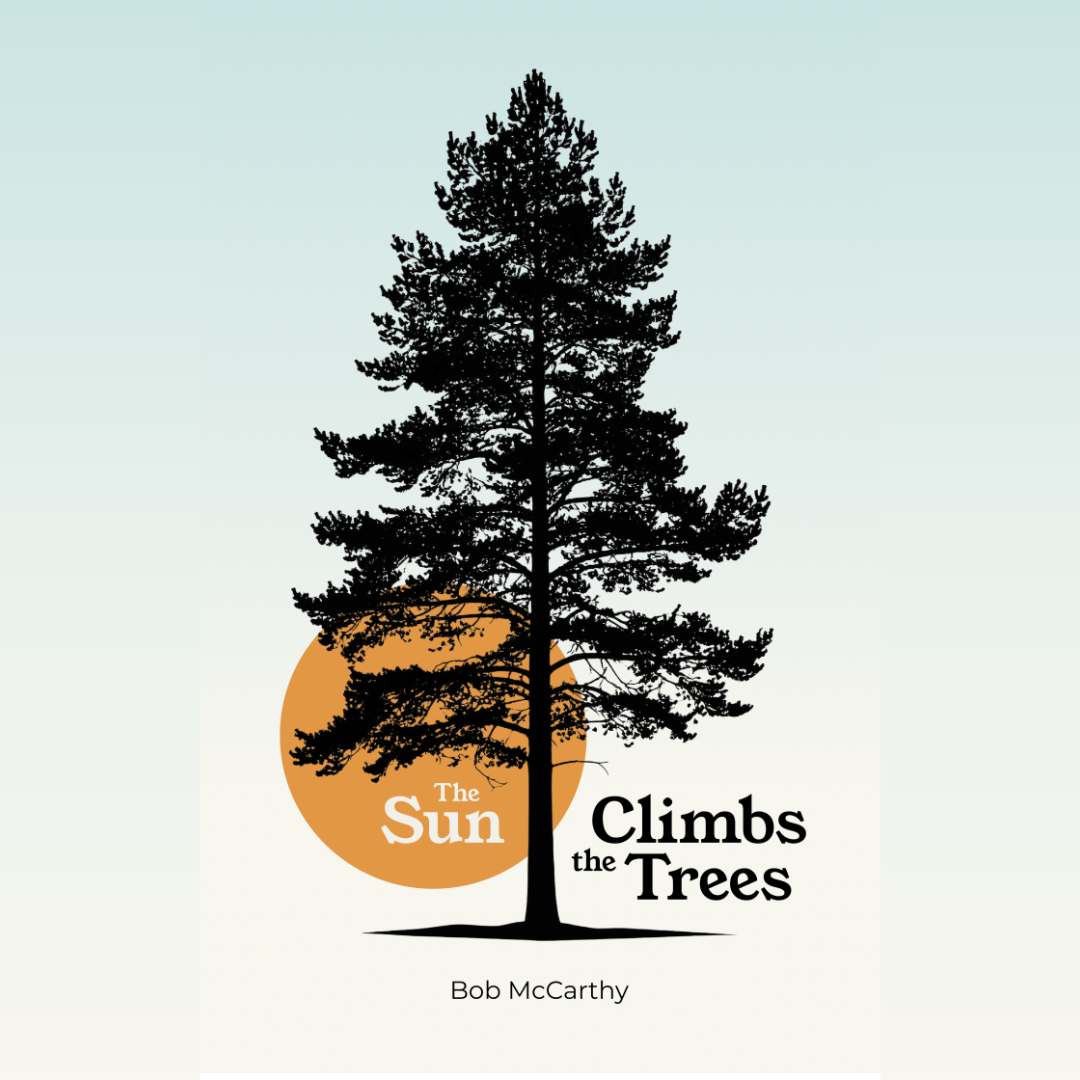
The Sun Climbs the Trees is told in two voices across two timelines: the quiet acceptance of an increasingly finite present and the vivid reliving of a past still alive with infinite possibility. It’s about the many shapes love takes and the loneliness of getting close to someone who only knows distance.
It’s about the moments that, in the end, outlive us all.
Emily knows she’s dying, and has begun reliving her life through music, the songs that have defined her fifty-seven years. Each melody her husband Ray plays returns her to a different chapter of her life — a person, a place, a version of herself she thought was lost to time. When she asks for songs from the year they met, Ray knows where she’s going: back to the beginning, when he was leading a threadbare existence, struggling with demons and doubt, and she was living a lie, having buried herself in someone else's idea of who she should be.
One year. A crossroads that marked the difference between what might have been and what came to be.
The Sun Climbs the Trees is told in two voices across two timelines: the quiet acceptance of an increasingly finite present and the vivid reliving of a past still alive with infinite possibility. It’s about the many shapes love takes and the loneliness of getting close to someone who only knows distance.
It’s about the moments that, in the end, outlive us all.